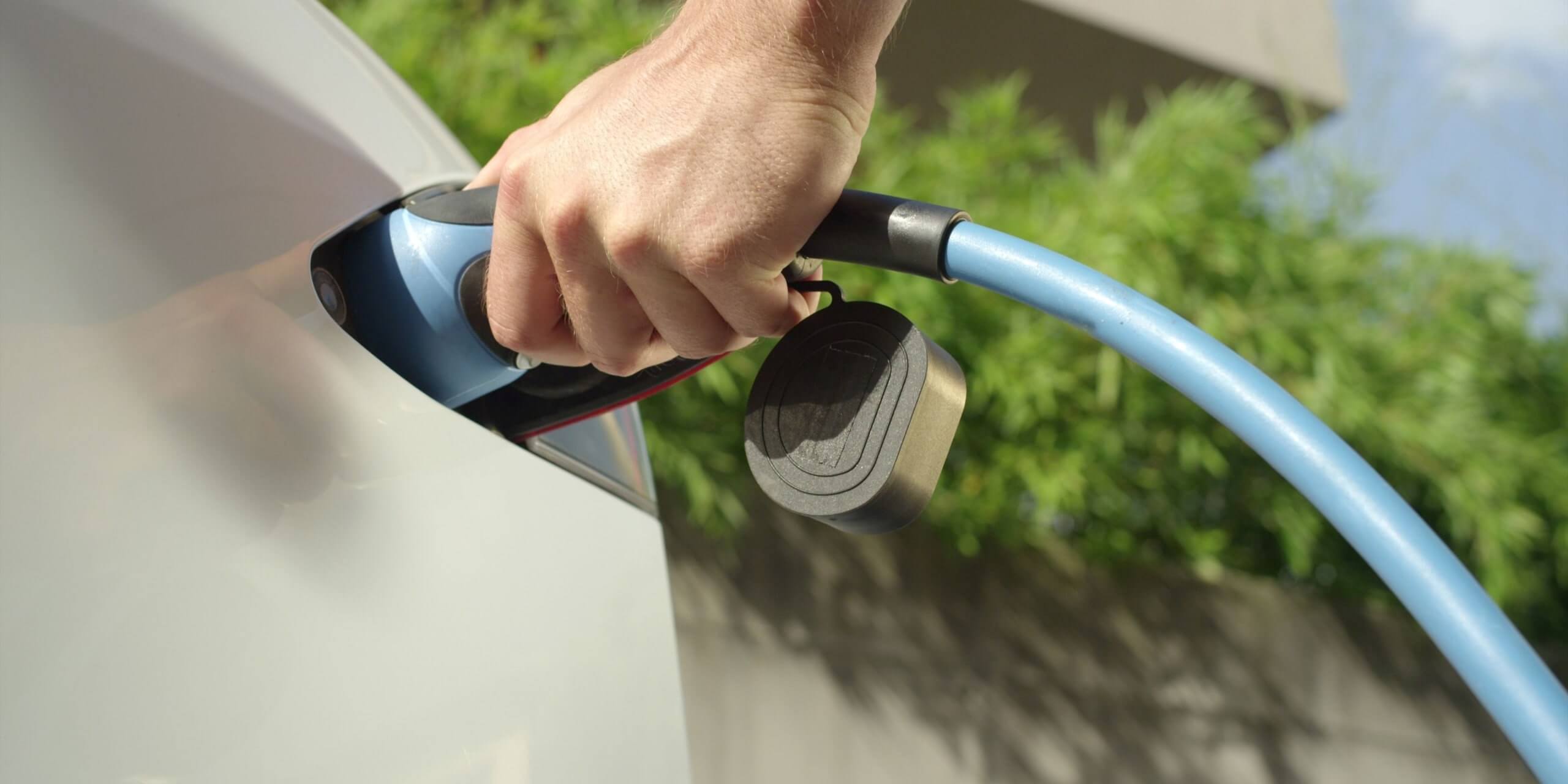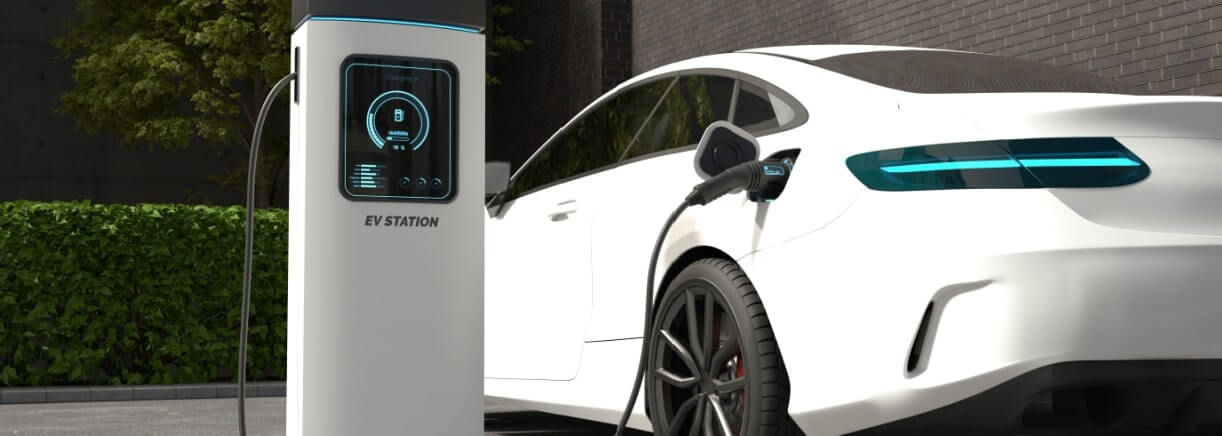
As more drivers in Ottawa and beyond switch to electric vehicles (EVs), understanding the nuances of EV charging time becomes increasingly essential. At Evolta Electric, we pride ourselves on being experts in all things related to EV charging.
Let’s review the factors affecting how long it takes to charge an electric car, including charging speed, battery capacity, and the various types of chargers available.
Whether you’re a current EV owner or considering making the switch, our guide will provide you with the knowledge you need.
Understanding EV Charging Time
 The time it takes to charge an electric vehicle (EV) can vary significantly based on several factors. The primary elements that influence EV charging time include charging speed, battery capacity, and the type of charger used. Let’s break down each of these factors to understand their impact on charging time.
Charging Speed
Charging speed is a critical factor in determining EV charging time. It is often measured in kilowatts (kW) and depends on both the power output of the charging station and the vehicle’s charging capabilities. The higher the kW, the faster the vehicle can charge.
Battery Capacity
Another crucial factor in EV charging time is the battery capacity, measured in kilowatt-hours (kWh). The larger the battery capacity, the longer it will take to charge. For instance, a vehicle with a 40 kWh battery will take less time to charge than one with an 80 kWh battery, assuming the same charging speed. However, larger batteries generally offer more range, which can be a significant advantage for long-distance travel.
Types of Chargers
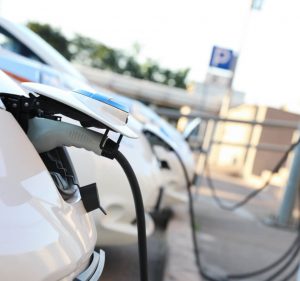 The type of charger used plays a significant role in determining how long it takes to charge an EV. Here’s a quick overview of the main types of chargers:
Level 1 Chargers: These are the most basic chargers, typically using a standard household outlet. They provide around 2-5 miles of range per hour of charging and are best for overnight charging or emergency use.
Level 2 Chargers: These chargers require a 240-volt outlet, similar to those used by large household appliances. They provide around 10-20 miles of range per hour of charging and are commonly installed in homes, workplaces, and public charging stations.
DC Fast Chargers: These are the fastest chargers available, providing 60-80 miles of range in just 20 minutes. They are typically found in commercial and public charging stations and are ideal for long-distance travel and quick top-ups.
Factors Affecting EV Charging Time
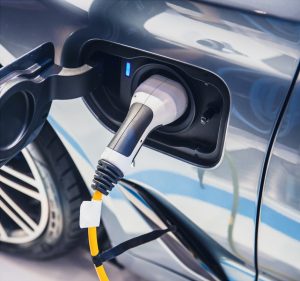 While charging speed, battery capacity, and charger type are the primary factors, several other elements can influence EV charging time:
- State of Charge (SoC): The current charge level of the battery when you begin charging. Charging from 0% to 80% is generally faster than the last 20% due to the way battery charging algorithms work.
- Temperature: Extreme temperatures can affect battery efficiency and charging speed. Cold weather can slow down charging, while very hot weather can lead to overheating concerns.
- Vehicle Efficiency: More efficient vehicles may charge faster because they require less energy per mile.
Benefits of Faster Charging
Faster charging speeds are not just a matter of convenience; they can significantly impact the overall usability and appeal of electric vehicles. Faster charging times mean less waiting and more driving, making EVs more practical for long trips and daily commutes. Additionally, faster charging stations can reduce the need for multiple charging stops, allowing for more efficient travel planning.
Charging at Home vs. Public Charging
One of the main decisions EV owners face is whether to primarily charge at home or rely on public charging stations. Each option has its pros and cons:
- Home Charging: Offers the convenience of charging overnight, ensuring the vehicle is ready to go each morning. It can be cost-effective, especially with off-peak electricity rates.
- Public Charging: Ideal for longer trips or when home charging is not available. It provides flexibility and faster charging options but can sometimes be more expensive than home charging.
Choosing the Right Charging Solution
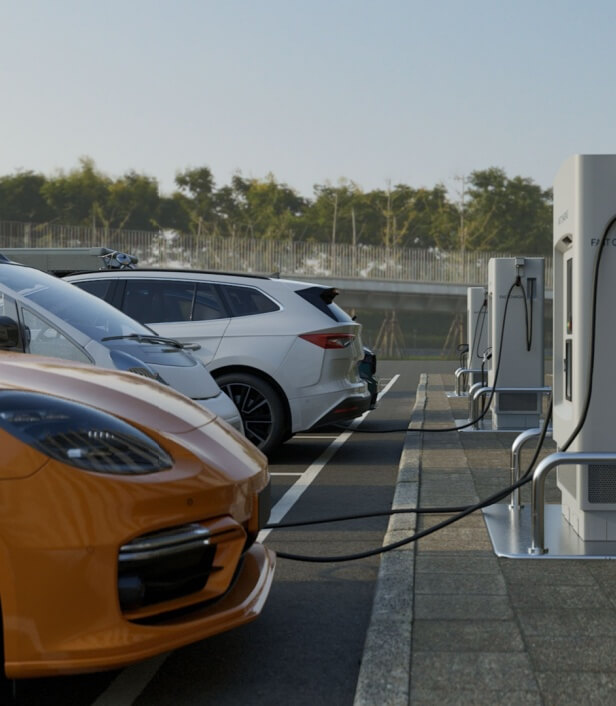 At Evolta Electric, we understand that each EV owner has unique needs and preferences. That’s why we offer a range of EV charging solutions tailored to your specific requirements. Whether you need a home charging station or are looking to install chargers at your business, our team of experts is here to help.
Maximizing Your EV Charging Time
Understanding EV charging time is crucial for maximizing the benefits of electric vehicle ownership. By considering factors such as charging speed, battery capacity, and the type of charger used, you can make informed decisions about your charging needs. At Evolta Electric, we are committed to providing top-notch EV charging solutions to our clients in Ottawa and beyond.
Learn More About EV Charging Time
For more information about EV charging time and to find the best charging solutions for your needs, contact Evolta Electric today. Our team of experts is ready to assist you with all your EV charging questions and requirements.
By understanding the factors that affect EV charging time, you can enjoy the convenience and efficiency of your electric vehicle to the fullest. Let Evolta Electric be your trusted partner in the transition to clean, sustainable transportation.
Serving Ottawa and Surrounding Areas
At Evolta Electric, we serve Ottawa and the surrounding areas, ensuring our clients have access to reliable and efficient EV charging solutions. Whether you need assistance with charging speed, battery capacity, or choosing the right charger, our team is here to help. Contact us today to learn more about how we can support your EV charging needs.