Saving energy at home is not only about cutting down on utility bills; it’s also about living more comfortably and sustainably. In this blog, we’ll discuss 10 tips for saving energy at home, including installing a smart thermostat, automating with smart home installation, avoiding energy vampires, switching to energy-efficient lighting, sealing leaks and insulating properly, monitoring your energy use, using timers and motion sensors, upgrading to smart appliances, understanding the costs and benefits, and working with a home automation expert.
These tips are easy to implement, cost-effective, and ideal for households of all sizes. From unplugging hidden energy wasters to automating your lighting and climate control, these tips can have a real impact. You’ll also learn how technology, such as smart thermostats and home integration systems, can help you manage energy more effectively and live a more efficient life.
1. Install a Smart Thermostat
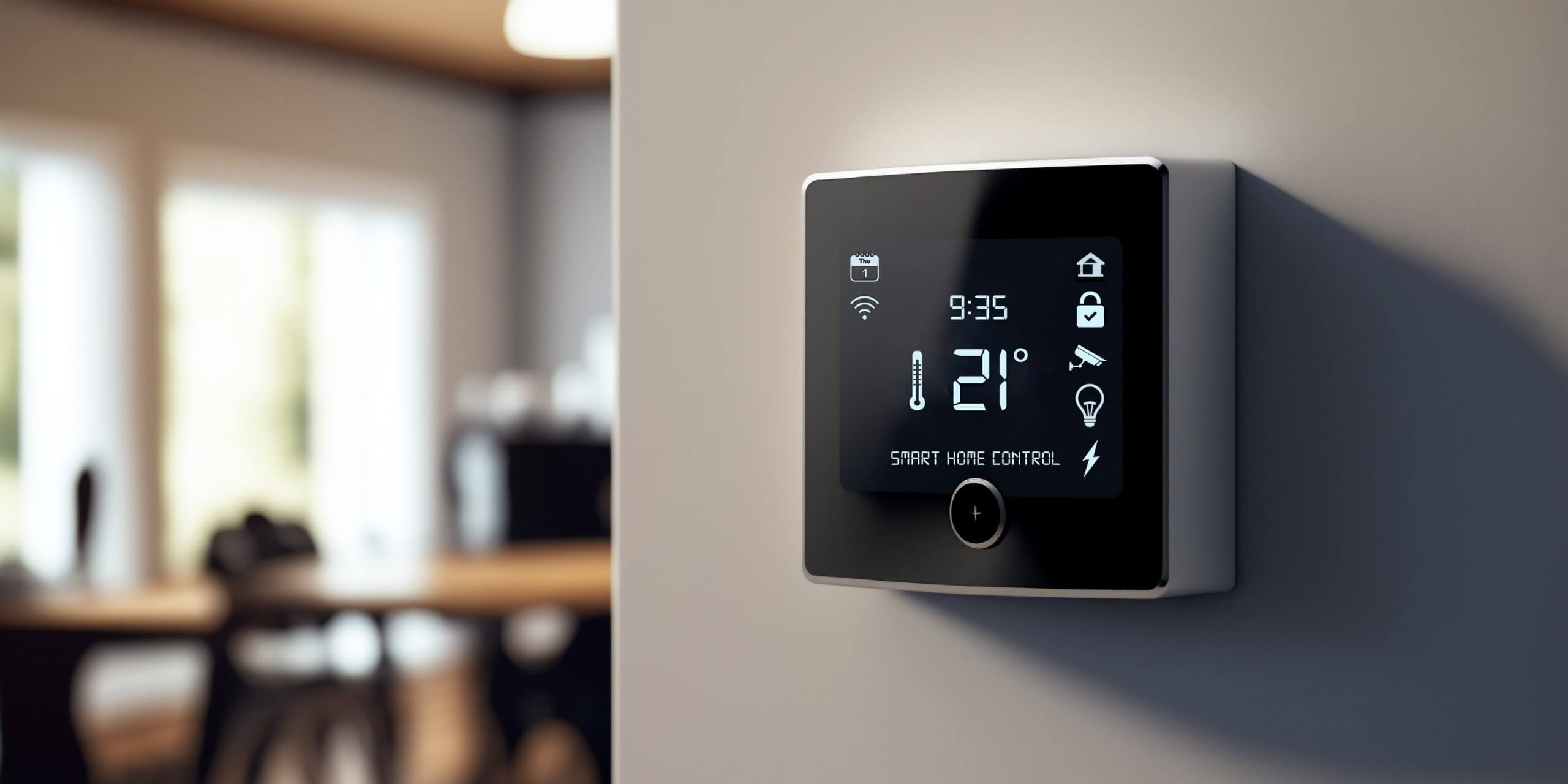
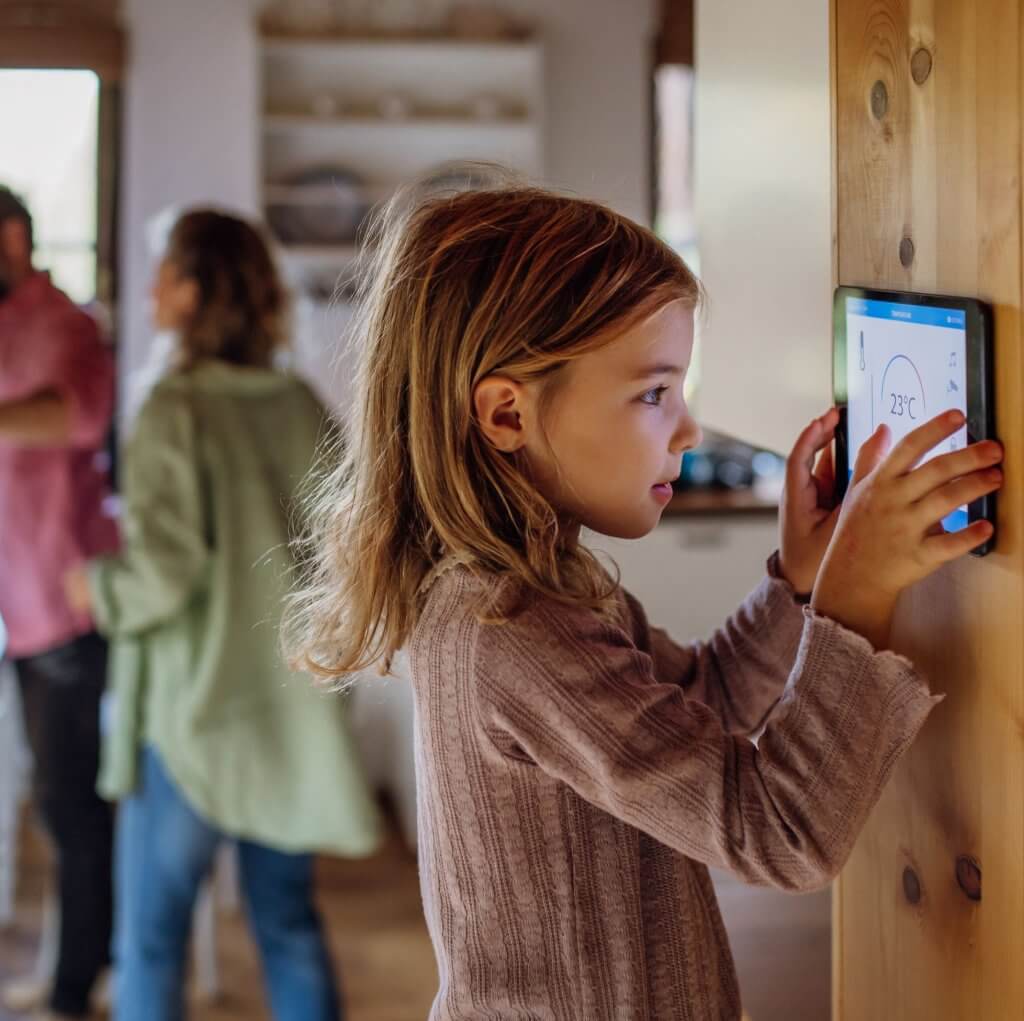
Smart thermostats can learn your daily routines and adjust heating or cooling accordingly. They optimize energy use by lowering consumption when you’re away or asleep without sacrificing comfort. When connected to a smart home system, these thermostats provide even more control through voice assistants or mobile apps. If you’re considering installing a thermostat in your home, this is one of the best first steps toward energy efficiency.
2. Automate with Smart Home Installation
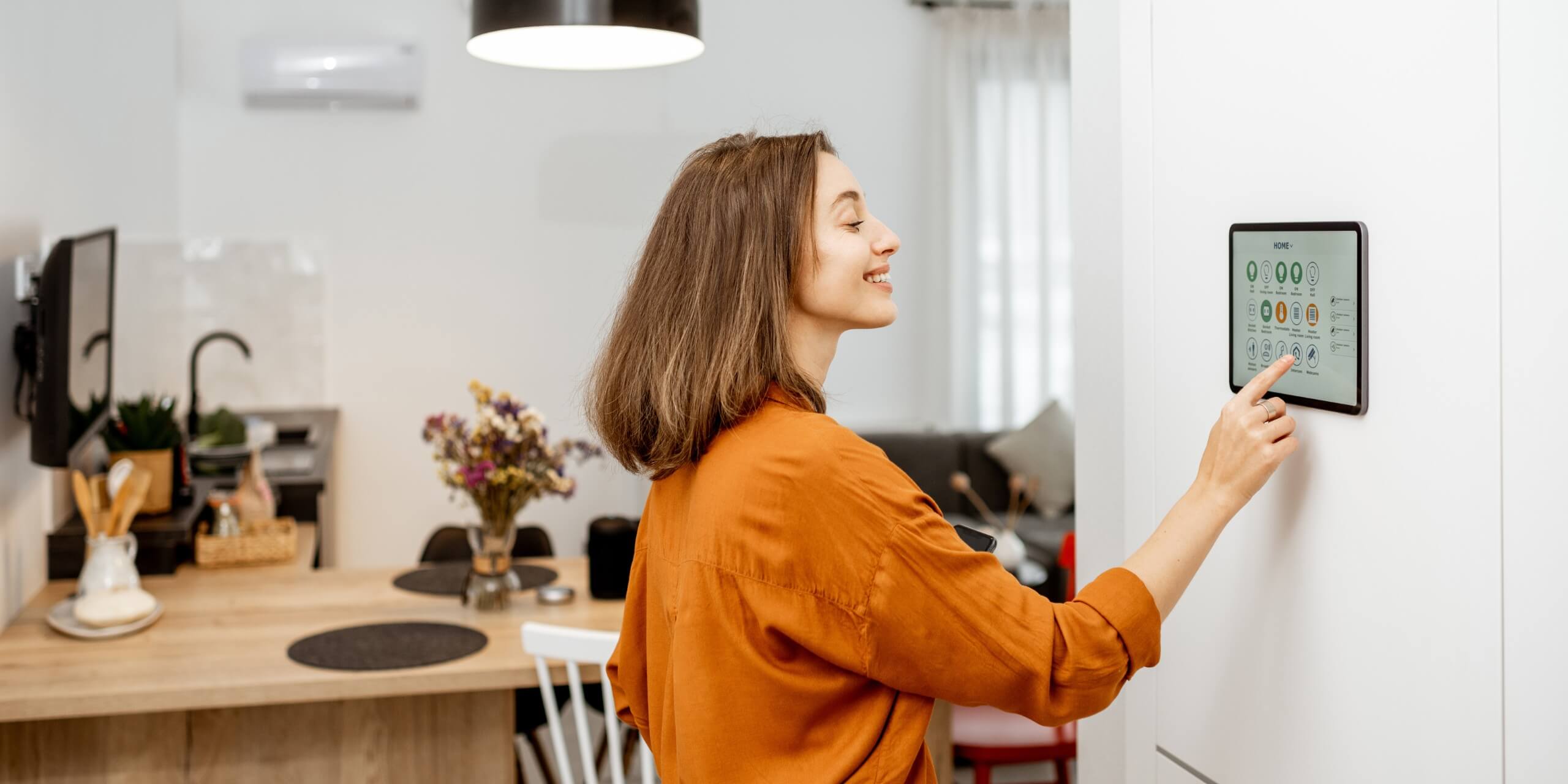
A connected home makes it easier to control lighting, heating, and devices through a central system. By investing in smart home installation, you’ll gain the ability to automate energy-intensive tasks and monitor usage in real-time. More homeowners are exploring smart home integration to reduce waste and improve comfort. An integrated smart home system allows you to manage everything from a single dashboard, increasing both convenience and energy savings.
3. Avoid Energy Vampires
Many electronic devices continue to draw power even when turned off. This phenomenon, known as ‘energy vampires’, can significantly contribute to your energy bills. These include devices like chargers, TVs, and kitchen appliances. You can reduce this hidden usage by unplugging them or using a power bar with a shut-off switch. Automating these devices through a smart home setup makes it even easier—some systems can cut power to specific outlets when not in use.
4. Switch to Energy-Efficient Lighting
LED bulbs are significantly more efficient than traditional incandescent lights, using up to 80% less energy. They also last longer and generate less heat, which can help reduce cooling costs in the summer. With a smart home setup service, you can schedule your lighting to turn off when no one is home or dim automatically during specific hours. These features are often included in smart home integration systems, providing long-term savings and control.
5. Seal Leaks and Insulate Properly
Drafts around windows and doors let conditioned air escape, making your heating and cooling systems work harder. Minor upgrades, such as weather stripping and attic insulation, can make a significant difference. When paired with automation, such as sensors that adjust heating based on room occupancy, you can achieve even greater efficiency. These options are usually available through home automation installation packages.
6. Monitor Your Energy Use
Energy monitoring devices help you understand how and when your household uses electricity. These tools are invaluable when integrated into a smart home system, as they can alert you to high consumption or appliance inefficiencies. Many smart home experts recommend these tools as part of the best smart home setup, providing you with actionable data to help reduce energy waste.
7. Use Timers and Motion Sensors
Timers and motion sensors are low-effort, high-impact tools for reducing energy use. Set a timer to turn off lights after a particular hour, or install motion sensors in areas such as bathrooms and hallways. When added during a smart home automation installation, these devices automatically adjust based on your usage patterns. A home automation specialist can help you choose and install the right sensors for your space.
8. Upgrade to Smart Appliances
Modern appliances are more energy-efficient than older models, especially when they’re “smart.” Smart fridges, washing machines, and dishwashers can be scheduled to run during off-peak times, reducing energy costs. These appliances can also be connected to home integration systems, enabling remote monitoring and maintenance alerts. Including them in your home setup can maximize both performance and energy savings.
9. Know the Costs and Benefits
Homeowners often worry about the cost of smart home installation, but the long-term savings typically outweigh the initial expense. The average price of a smart home system varies depending on the size of your home and the number of devices installed. However, rebates and energy incentives are often available in Canada. Consulting with a home automation specialist will help you select the most efficient and cost-effective solutions tailored to your specific needs.
10. Work with a Licensed Electrician
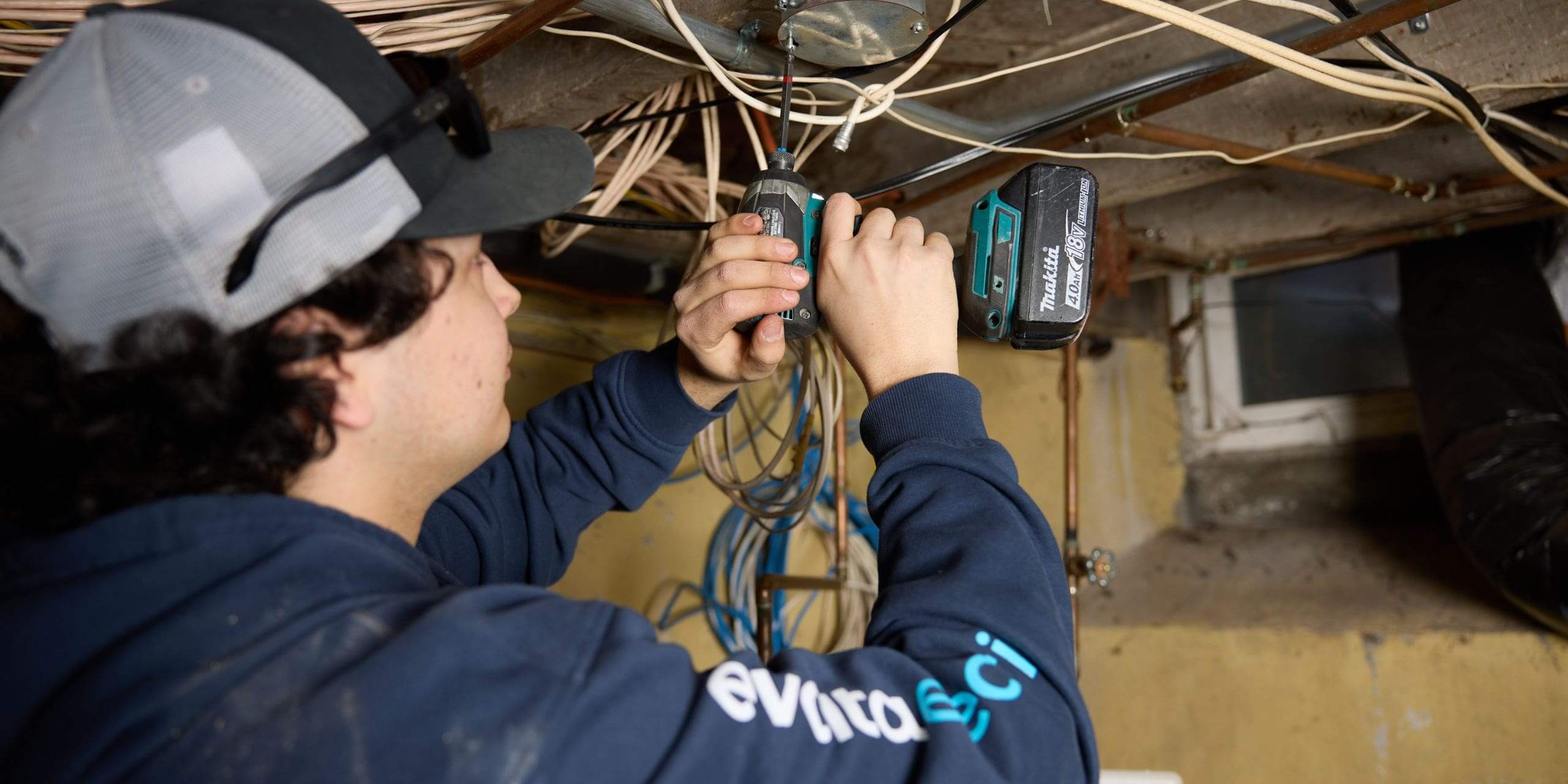
When it comes to energy savings, proper installation is key. A home automation expert, such as a licensed electrician at Evolta Electric, can assess your home, suggest the best technologies, and install systems that work seamlessly together. Whether it’s setting up a basic smart thermostat or installing a complete automation system, an expert ensures the setup is done safely and efficiently. This step consolidates all the previous tips into a well-functioning, energy-efficient home, providing you with the support and guidance you need.
Conclusion: How Can You Save Energy at Home?
So, how can you save energy at home? The best approach combines a mix of simple habits, such as turning off unused lights, with more advanced strategies, including the use of automation and the installation of smart devices. When these are combined in a thoughtfully designed system, the impact on energy savings can be significant. Smart home integration makes it easier to control and reduce energy consumption, providing not only immediate but also long-term financial and environmental benefits. At Evolta Electric, we help homeowners take that next step toward a more efficient and comfortable home.
Smarten Up Your Home with Evolta Electric
Ready to start saving energy and making your home smarter? Evolta Electric offers professional electrical and smart home setup services tailored to your lifestyle and budget. Whether you’re upgrading a single system or planning a complete home automation installation, our team is here to guide you through every step. Take control of your energy consumption and boost your home’s efficiency—contact us today to find out more and get started.