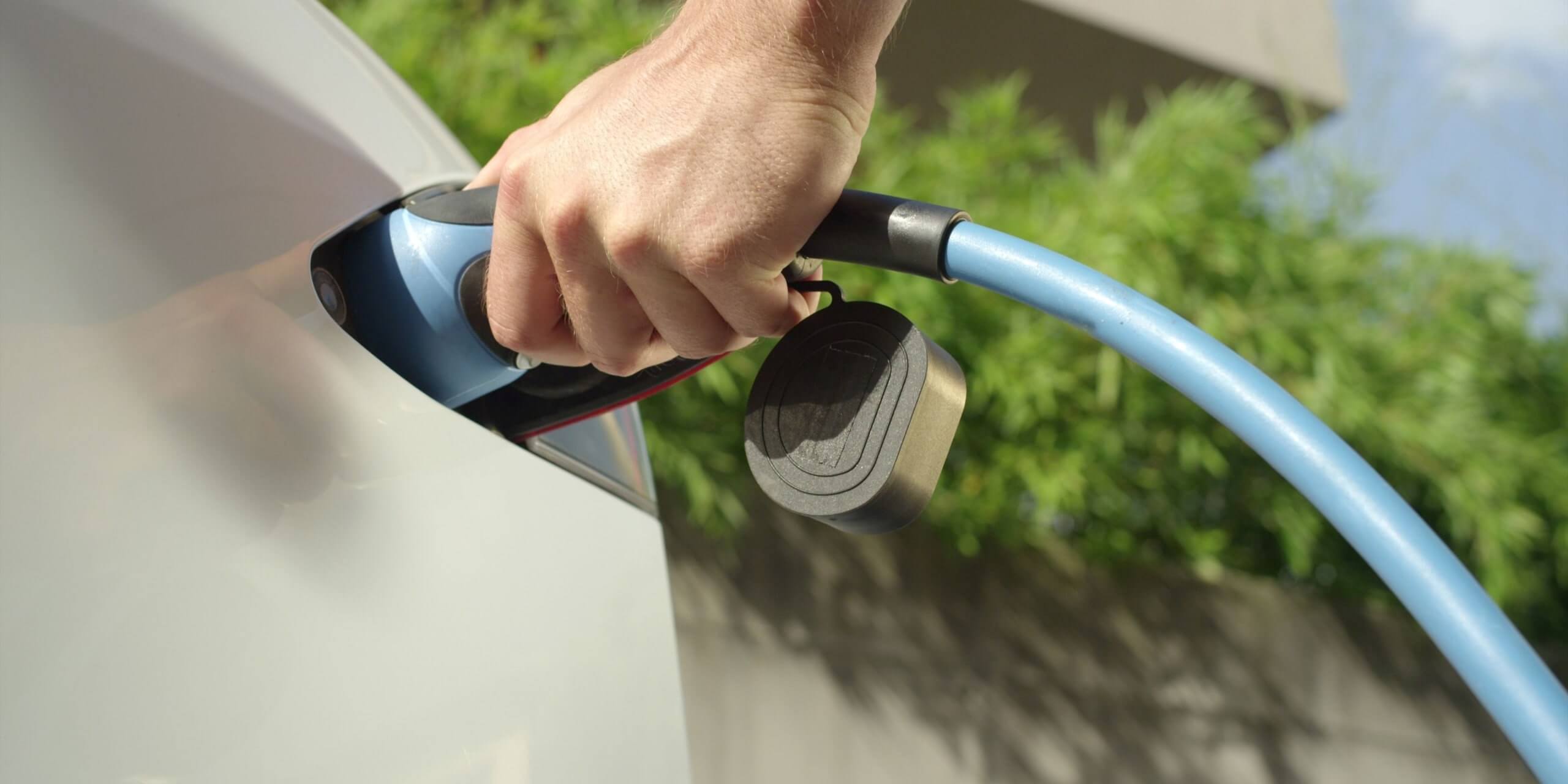
Curious about the home EV charger installation process?
As electric vehicles (EVs) become more popular, the need for convenient home charging solutions has grown. Installing a home EV charger is a great way to ensure your vehicle is always ready to go, but there are a few key things you need to know before getting started.
In this guide, we’ll cover everything from the basics of EV charging at home to selecting the right equipment and understanding the installation process.
Why Install a Home EV Charger?
Home EV charging offers several benefits, including convenience, cost savings, and the ability to maximize your vehicle’s battery life.
With a home charging station, you can charge your EV overnight, taking advantage of lower electricity rates. Additionally, charging at home can be more cost-effective compared to using public charging stations, which often charge higher rates and may require membership fees.
Choosing the Right Home EV Charger
When selecting a home EV charger, there are a few factors to consider:
Power Output
The power output of a charger, measured in kilowatts (kW), determines how quickly it can charge your vehicle.
For most EV drivers, a charger with 9.6 kW is sufficient, providing around 46km of range per hour of charging. If you have a larger vehicle or plan to charge multiple EVs, you might opt for a charger with higher power output, such as 11.5 kW.
Installation Type
Home EV chargers can be hardwired into your electrical system or plugged into a 240-volt outlet. Hardwiring is often recommended to avoid issues with ground-fault circuit interrupters (GFCI) that can cause power interruptions.
However, a plug-in option might be suitable if you prefer portability or anticipate moving the charger in the future.
Smart Features
Some chargers come with Wi-Fi connectivity and smartphone apps that allow you to monitor energy usage, schedule charging sessions, and more. While these features can be useful, they are not essential for everyone and may add to the cost of the charger.
Preparing for Installation
Before you install a home EV charger, you’ll need to assess your home’s electrical capacity and possibly make some upgrades:
Electrical Panel
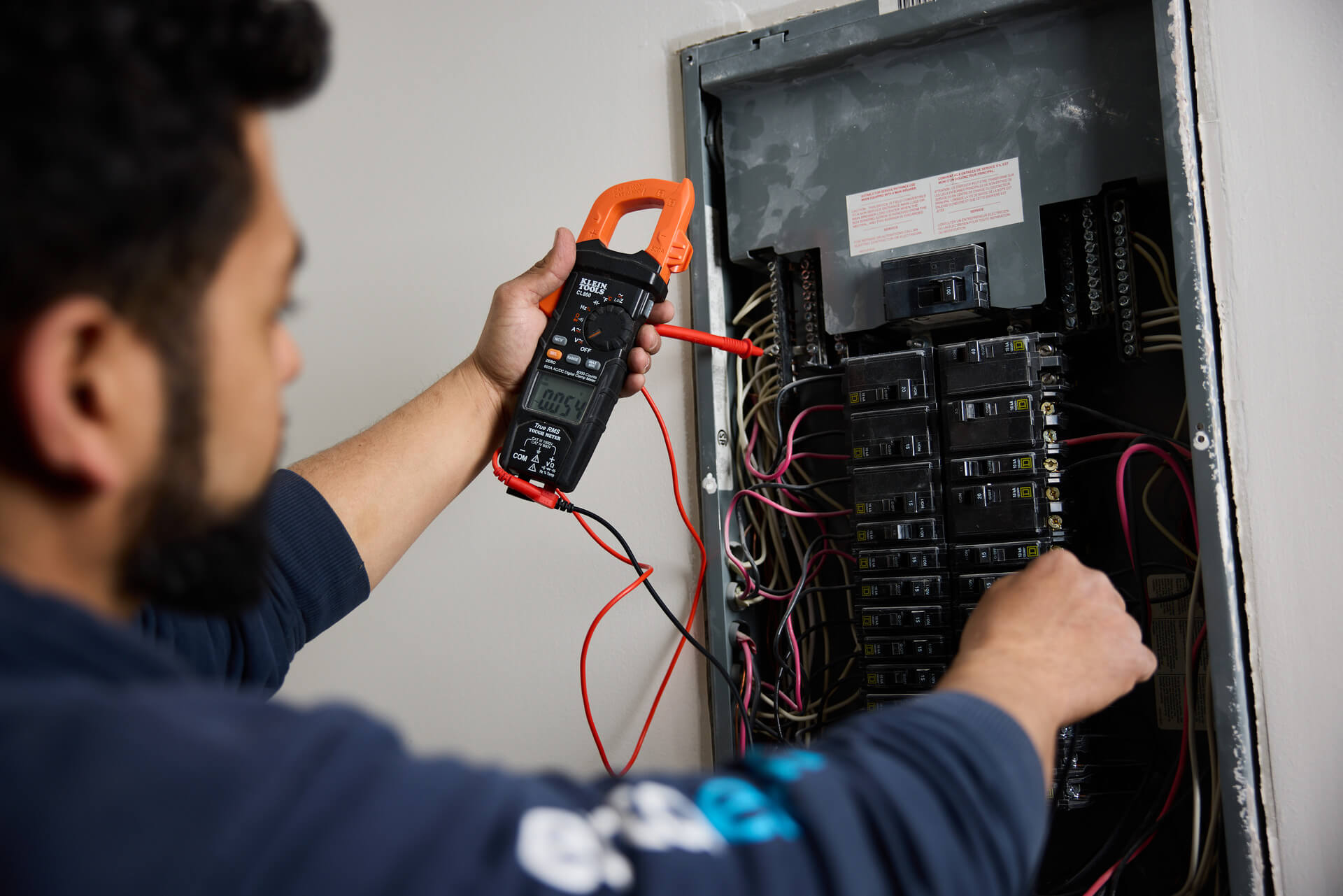
Ensure your electrical panel can handle the additional load. Most home EV chargers require a 40-amp circuit, but it’s wise to consult with a licensed electrician to determine if your panel needs an upgrade.
Permits and Regulations
Check local building codes and regulations. Some areas require permits for EV charger installation, and your electrician should handle this process.
Load Management
If your home’s electrical capacity is limited, consider a charger with load management features that can adjust the power draw based on your household’s energy consumption.
Home EV Charger Installation Process
The installation of a home EV charger typically involves the following steps:
- Site Assessment: An electrician will evaluate your home’s electrical system and determine the best location for the charger. This includes considering the distance from your electrical panel and the length of the charging cable needed.
- Upgrading the Electrical Panel: If necessary, the electrician will upgrade your electrical panel to accommodate the new charger. This may involve installing a new circuit breaker and ensuring the wiring can handle the load.
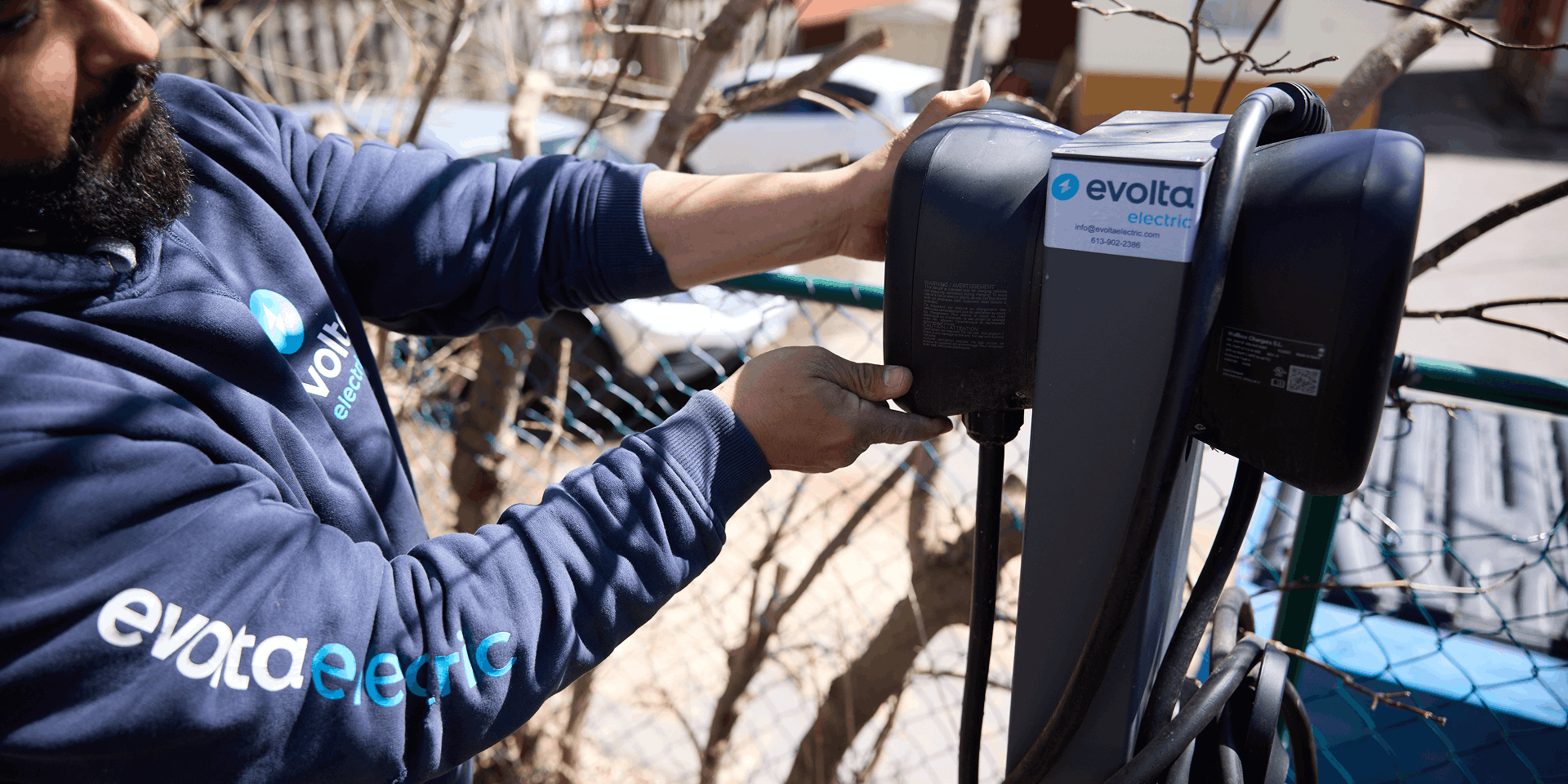
- Installing the Charger: The electrician will mount the charger on the wall and either hardwire it into your electrical system or install a 240-volt outlet for a plug-in model.
- Testing and Setup: Once installed, the electrician will test the charger to ensure it’s working correctly and help you set up any smart features or scheduling options.
Costs & Considerations
The cost of installing a home EV charger can vary widely, ranging from $1,200 to $3,000 depending on the charger model, installation complexity, and any necessary electrical upgrades.
While this might seem like a significant investment, many utility companies offer rebates and incentives for home EV charger installations, which can help offset the cost.
Conclusion
Installing a home EV charger is a smart investment for any EV owner, providing convenience, cost savings, and peace of mind. By choosing the right charger and preparing for the installation process, you can ensure a smooth and efficient setup.
If you’re ready to take the next step, contact us for a consultation. Our experienced team can help you select the perfect charger, handle all aspects of the installation, and ensure your home is equipped for efficient and reliable EV charging.